
Unlock the secrets of stock market trading with our beginner’s guide, designed to set you on the path to trading success and financial independence.
Understanding the Stock Market for Beginners : An Overview
The stock market is a dynamic financial environment where investors buy and sell shares of publicly traded companies. It operates as a platform for companies to raise capital and for investors to potentially earn returns on their investments. The stock market is divided into primary and secondary markets. In the primary market, companies issue new shares through initial public offerings (IPOs). Once these shares are issued, they can be bought and sold in the secondary market, where most of the trading activity takes place. This secondary market includes well-known exchanges like the NSE, BSE And New York Stock Exchange (NYSE) etc.
Understanding how the stock market works is crucial for any aspiring trader. The market operates on the principles of supply and demand. When a stock is in high demand, its price tends to increase, and when it is less sought after, its price usually decreases. This fluctuation is influenced by various factors, including company performance, economic indicators, market sentiment, and global events. Traders need to stay informed about these factors to make educated decisions. One of the essential aspects of the stock market is the role of market participants.
These include individual retail investors, institutional investors such as mutual funds and pension funds, and market makers who provide liquidity by buying and selling stocks. Understanding the different participants and their impact on the market can help you navigate the complexities of stock trading more effectively. As you embark on your trading journey, familiarizing yourself with the intricacies of the stock market will lay a strong foundation for your future success.
Trading Terminology for Beginners
Before diving into stock trading, it’s essential to familiarize yourself with the key terminology that traders use daily. These terms will help you understand market reports, analyze stocks, and communicate effectively with other traders. One of the most fundamental terms is “Stock” or “Share” representing a unit of ownership in a company. When you buy a stock, you become a shareholder and own a piece of the company.
Another crucial term is “Dividend” which refers to the distribution of a portion of a company’s earnings to its shareholders. Dividends are typically paid out in cash, but they can also be issued in the form of additional shares. Understanding dividends is important because they can provide a steady income stream and influence a stock’s attractiveness to investors.
“Market Capitalization” or “Market Cap” is another key term, representing the total market value of a company’s outstanding shares. It is calculated by multiplying the Current share price by the total number of outstanding shares. Companies are often categorized based on their market cap, with terms like “Large-cap” “Mid-cap” and “Small-cap” used to describe their size. Familiarity with these terms will help you assess a company’s size, stability, and growth potential.
Other essential terms include “Bull market” and “Bear market” which describe the overall direction of the market. A bull market is characterized by rising stock prices and investor optimism, while a bear market signifies declining prices and pessimism. Knowing these terms will help you understand market trends and sentiment, allowing you to make more informed trading decisions.
Types of Stocks: Common vs. Preferred Explain
When investing in the stock market, you’ll encounter two primary types of stocks: common and preferred. Understanding the differences between these two can help you make more informed investment decisions. Common stocks are the most widely traded and represent ownership in a company. As a common stockholder, you have voting rights, allowing you to participate in corporate decisions such as electing the board of directors. Additionally, common stockholders may receive dividends, although these are not guaranteed and can fluctuate based on the company’s performance. Preferred stocks, on the other hand, offer a different set of benefits. Preferred stockholders typically do not have voting rights,
But they receive fixed dividends that are paid out before any dividends are issued to common stockholders. This makes preferred stocks more appealing to investors seeking stable income. In the event of a company’s liquidation, preferred stockholders also have a higher claim on the company’s assets compared to common stockholders, providing an added layer of security.
The choice between common and preferred stocks depends on your investment goals and risk tolerance. If you’re looking for potential capital appreciation and want to have a say in company matters, common stocks may be the better option. However, if you prioritize steady income and lower risk, preferred stocks could be more suitable. Understanding the characteristics and benefits of each type of stock will enable you to build a diversified portfolio that aligns with your financial objectives.
Different Trading Strategies for Beginners
As a beginner in stock trading, it’s essential to adopt a trading strategy that aligns with your goals, risk tolerance, and time commitment. One popular strategy for beginners is “buy and hold,” which involves purchasing stocks and holding them for an extended period, regardless of market fluctuations. This strategy is based on the belief that, over time, the stock market tends to rise, allowing investors to benefit from long-term capital appreciation and dividends. The buy and hold strategy requires patience and discipline, as it involves riding out short-term market volatility.
For those interested in more active trading, “swing trading” might be an appealing option. Swing traders aim to capitalize on short- to medium-term price movements by buying stocks at low points and selling them at high points within a few days or weeks. This strategy requires a good understanding of technical analysis, as traders need to identify patterns and trends that indicate potential price movements. While swing trading can offer higher returns, it also involves higher risk and requires more time and effort to monitor the market.
Regardless of the strategy you choose, it’s crucial to start with a clear plan and stick to it. Define your investment goals, set risk management rules, and continuously educate yourself to improve your trading skills. Experimenting with different strategies in a simulated trading environment can also help you gain experience and confidence before committing real money to the market.
How to Open a Brokerage Account
Opening a brokerage account is a crucial step in your stock trading journey, as it provides you with the platform to buy and sell stocks. The process is relatively straightforward, but it’s important to choose a brokerage that aligns with your needs and preferences. Begin by researching different brokerage firms, comparing their fees, trading platforms, customer service, and available resources. Look for a brokerage that offers a user-friendly interface, educational materials, and tools that will support your trading goals.
Once you’ve selected a brokerage, you’ll need to complete an application to open an account. This typically involves providing personal information such as your name, address, Social Security number, employment details, and financial information. The brokerage will use this information to verify your identity and assess your suitability for trading. You may also need to answer questions about your investment experience, goals, and risk tolerance.
After your application is approved, you’ll need to fund your account by transferring money from your bank account. Most brokerages offer multiple funding options, including electronic transfers, wire transfers. Once your account is funded, you can start placing trades. Take the time to familiarize yourself with the brokerage’s trading platform, exploring its features and tools. Many brokerages offer demo accounts or virtual trading platforms that allow you to practice trading without risking real money. This can be a valuable way to build your confidence and develop your trading skills before diving into live trading.
Best Stock Broker Company in India
Groww – Best for beginners & simple investing
• One of the largest brokers in India by active clients today.
• Easy-to-use mobile app and web platform with equities, derivatives, mutual funds, ETFs, IPOs, and US stock investing.
• Good for first-timers and long-term investors.
Zerodha – Most popular discount broker
• Strong tech platform Kite with excellent charting and tools.
• No brokerage on equity delivery; flat fee for intraday/F&O.
Upstox – Best for tech-savvy traders
• Competitive flat-fee brokerage; advanced charts and analytics.
• Great alternative to Zerodha for intraday and F&O traders.
Essential Tools and Resources for Stock Trading
Successful stock trading requires access to a variety of tools and resources that can help you make informed decisions. One of the most important tools is a reliable trading platform, which provides real-time market data, charting capabilities, and order execution. A good trading platform should be user-friendly, customizable, and equipped with features that support your trading strategy. Take the time to explore different platforms and choose one that meets your needs.
In addition to a trading platform, access to financial news and analysis is crucial for staying informed about market developments. Websites like Bloomberg, CNBC, Moneycontrol and Reuters offer up-to-date news on the stock market, along with expert analysis and commentary. Following financial news can help you stay on top of market trends, economic indicators, and company performance, allowing you to make more informed trading decisions.
Stock screeners are another valuable resource for traders. These tools allow you to filter and search for stocks based on specific criteria, such as market capitalization, price-to-earnings ratio, and dividend yield. Stock screeners can help you identify potential investment opportunities that match your trading strategy. Many brokerages and financial websites offer free stock screeners, so take advantage of these tools to streamline your research process.
Lastly, educational resources are essential for continuous learning and improvement. Books, online courses, webinars, and trading communities can provide valuable insights and knowledge to help you develop your trading skills. Engaging with other traders through forums and social media can also offer support and inspiration. By leveraging these tools and resources, you’ll be better equipped to navigate the stock market and achieve your trading goals.
Fear and Greed in the Stock Market: A Beginner Guide to Trading Psychology
Risk Management in Stock Market
Risk management is a critical aspect of successful stock trading, as it helps protect your investments from significant losses. One of the most effective risk management strategies is diversification, which involves spreading your investments across different assets, industries, and geographic regions. By diversifying your portfolio, you reduce the impact of poor performance in any single investment, thereby minimizing overall risk.
Another essential risk management tool is the use of stop-loss orders. A stop-loss order is an instruction to sell a stock when its price reaches a predetermined level, limiting your losses on a particular trade. For example, if you buy a stock at Price 100 and set a stop-loss order at 90, the stock will be sold automatically if its price drops to 90, preventing further losses. Trailing stop-loss orders, which adjust the stop price based on the stock’s price movements, can also be useful for locking in profits while protecting against sudden downturns.
Position sizing is another important aspect of risk management. This involves determining the appropriate amount of capital to allocate to each trade based on your risk tolerance and the size of your overall portfolio. A common rule of thumb is to risk no more than 1-2% of your total capital on any single trade. By carefully managing your position sizes, you can limit the impact of individual losses on your overall portfolio.
It’s also crucial to stay disciplined and adhere to your risk management rules. Emotional trading, driven by fear or greed, can lead to impulsive decisions and significant losses. Develop a trading plan that includes your risk management strategies and stick to it, regardless of market conditions. Regularly reviewing and adjusting your risk management approach can also help you stay aligned with your trading goals and risk tolerance.
Fundamental Analysis vs Technical Analysis in Trading
Analyzing stocks is a vital component of successful trading, and there are two primary methods used by traders: fundamental analysis and technical analysis. Fundamental analysis involves evaluating a company’s financial health, performance, and growth potential to determine its intrinsic value. This approach considers factors such as revenue, earnings, profit margins, and cash flow, as well as broader economic indicators and industry trends. By analyzing these elements, fundamental analysts aim to identify undervalued or overvalued stocks.
Key tools for fundamental analysis include financial statements, such as the income statement, balance sheet, and cash flow statement. These documents provide detailed information about a company’s financial performance and stability. Ratios like the price-to-earnings (P/E) ratio, price-to-book (P/B) ratio, and return on equity (ROE) can also offer valuable insights into a company’s valuation and profitability. Understanding these metrics and how they relate to a company’s overall performance is essential for making informed investment decisions.
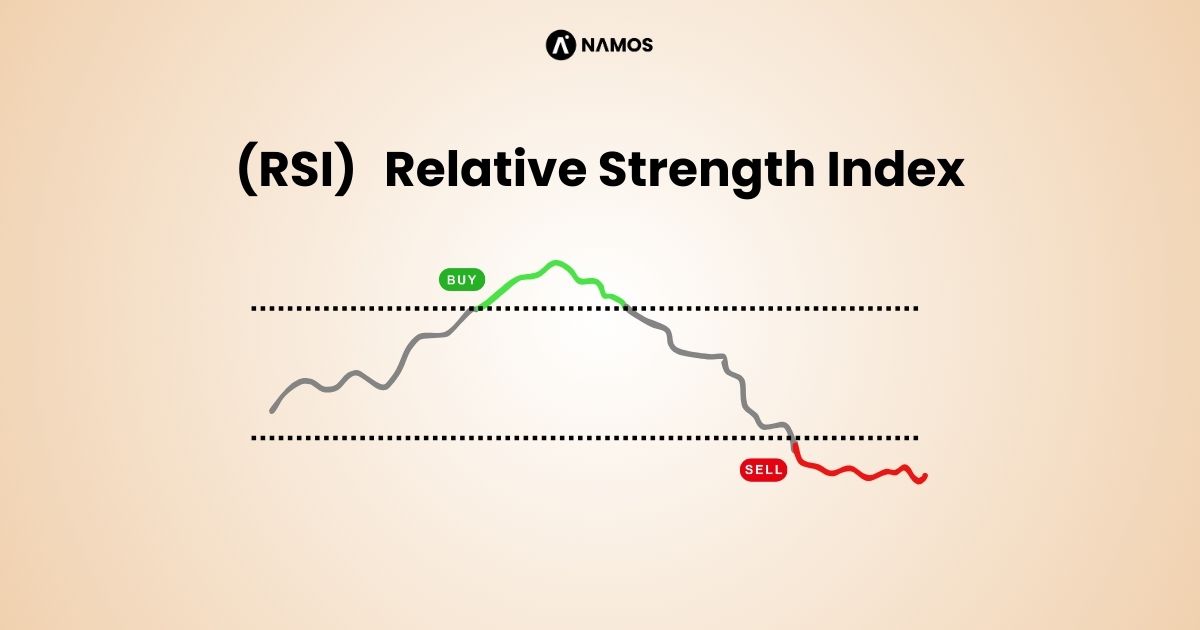
Technical analysis, on the other hand, focuses on studying historical price and volume data to predict future price movements. Technical analysts use charts and various indicators, such as moving averages, relative strength index (RSI), and Bollinger Bands, to identify patterns and trends that suggest potential buying or selling opportunities. This approach is based on the belief that market psychology and behavior tend to repeat over time, allowing traders to capitalize on these patterns.
While fundamental analysis is more suited for long-term investors looking to evaluate a company’s intrinsic value, technical analysis is often preferred by short-term traders seeking to profit from price fluctuations. Many traders use a combination of both methods to gain a comprehensive understanding of a stock’s potential. By integrating fundamental and technical analysis, you can make more informed trading decisions and increase your chances of success in the stock market.
Common Mistakes to Avoid as a New Trader
As a new trader, it’s important to be aware of common mistakes that can hinder your success and lead to significant losses. One of the most frequent errors is failing to do thorough research before making a trade. Relying on tips or recommendations from others without conducting your own analysis can result in poor investment decisions. Always take the time to research and understand the stocks you’re interested in, considering both fundamental and technical factors.
Another common mistake is overtrading, which occurs when traders place too many trades in a short period, often driven by the desire to make quick profits. Overtrading can lead to increased transaction costs, higher risk, and emotional exhaustion. To avoid this, develop a clear trading plan and stick to it, focusing on quality trades rather than quantity. Patience and discipline are key to long-term success in the stock market.
Letting emotions drive your trading decisions is another pitfall to watch out for. Fear and greed can lead to impulsive actions, such as panic selling during market downturns or chasing high-flying stocks at inflated prices. To mitigate emotional trading, establish and adhere to strict risk management rules, including setting stop-loss orders and position size limits. Regularly reviewing your trading plan and performance can also help you stay focused and avoid emotional pitfalls.
Conclusion: Your Path to Successful Stock Trading
Embarking on the journey of stock trading can be both exciting and challenging. By understanding the fundamentals of the stock market, familiarizing yourself with key terminology, and choosing the right types of stocks, you lay the groundwork for informed decision-making. Exploring different trading strategies and opening a brokerage account are essential steps that bring you closer to participating in the market. Equipping yourself with the right tools and resources, as well as implementing robust risk management practices, further enhances your ability to navigate the complexities of trading.
Analyzing stocks using both fundamental and technical analysis allows you to gain a comprehensive understanding of potential investment opportunities. Avoiding common mistakes and maintaining a commitment to continuous education are vital for long-term success. Remember, successful stock trading requires patience, discipline, and a willingness to learn and adapt.
As you embark on your trading journey, keep your goals in mind and stay focused on your plan. With dedication and the right approach, you can unlock the secrets of stock market trading and set yourself on the path to financial independence and success. Happy trading!
How to start stock trading as a beginner?
simple terms, to start trading, you first need to open a trading account and deposit funds. With basic technical knowledge, you can begin trading. However, before taking real trades, proper education, skill development, and inner confidence are essential. Learning first helps you understand risks and make better decisions. That is why trading should always start with education, and only then move to real execution, which we have explained in detail.