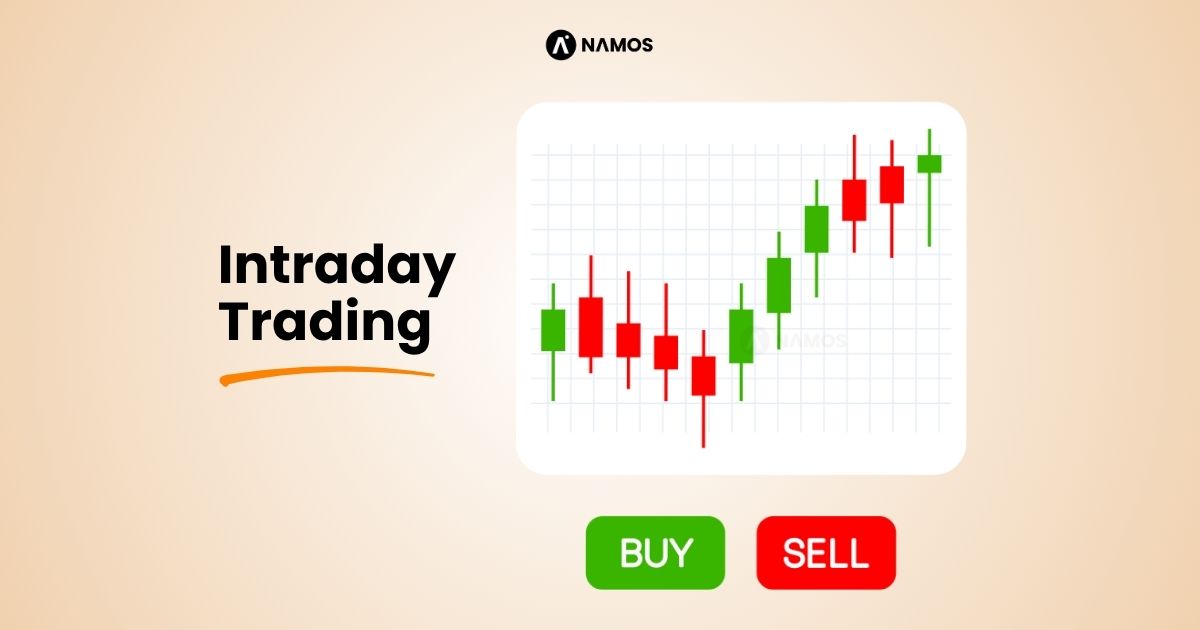

In trading, a strategy simply means having a clear plan before you enter a trade. This plan can be based on technical indicators, but it also includes how you will enter, exit, manage risk, and control your emotions. Today, we will understand how to build a profitable trading strategy in a simple way. We will focus on what really matters – the right method, proper technique, and strong discipline.
A good trading strategy is not just about indicators, it is about following a system with consistency and control, so that you can trade better and avoid unnecessary losses
Select the Right Market
Before building a trading strategy, the first and most important step is to choose your market. There are different types of markets like index trading, futures trading, cryptocurrency, commodity trading, and forex, and each market has its own behavior and movement style.
Index & Futures (Nifty, Bank Nifty):
These markets are highly liquid and structured, with cleaner price movement. They are best for intraday and short-term trading because trends and levels work well here.
Cryptocurrency :
Crypto markets are highly volatile. Prices can move very fast in a short time, which gives high profit opportunities but also high risk.
Forex Market:
Forex is a global market that runs almost 24 hours. It usually follows technical patterns smoothly, but moves can be slower compared to crypto.
Commodity Market:
Commodities like gold, silver, crude oil are influenced by global news and economic factors, and sometimes show sharp movements.
Why Choosing One Market is Important?
If you try to trade in every market, you will get confused because each market behaves differently. But when you focus on one market, you start understanding:
- Its movement pattern
- Best trading time
- How it reacts to news and levels
Benefits of focusing on one market:
- Better understanding of price behavior
- More accurate entries and exits
- Improved confidence and discipline
- Consistent performance over time
Find an Trading Opportunity
In trading, “finding an opportunity” means you are not trading randomly—you are waiting for a specific setup based on your strategy.
Every strategy is designed to catch a particular type of move, such as:
- Breakout (price breaking a key level)
- Pullback (price retracing before continuing trend)
- Trend continuation (following the ongoing trend)
- Support bounce / Resistance (rejection Reversal )
- setupIndicator-based signals (like EMA, RSI, etc.)
The idea is simple:
You first decide what kind of setup you are looking for, then you scan the market only for that condition. Once your setup appears, you plan your trade accordingly—entry, stop loss, and target.
Important Point:
Not every moment in the market is an opportunity. The real skill is to wait for your setup and avoid unnecessary trades.
Define the Market Condition in Trading
In trading, it’s very important to define the market condition first before applying any strategy. This means you should clearly understand whether the market is in a trending phase, range-bound phase, or high volatility phase.
Every strategy is designed to work best in a specific condition:
- Trend-following strategies work well in a trending market
- Support & resistance strategies perform better in a range market
- Breakout strategies are effective in high volatility conditions
Based on experience, no strategy works all the time. A strategy gives its best performance only when the market condition matches its setup. That’s why, before taking any trade, you should first identify: “Is the current market condition suitable for my strategy?”
Right Strategy + Right Market Condition = Better Results
Define The Entry Condition
In trading, you must always clearly define your entry conditions. This means you should know exactly when and why you will enter a trade, based on a specific setup.
For example, your entry rules can be:
- Price is near support level
- Market is in an uptrend
- A bullish candle closes for confirmation
Your entry should always be rule-based, not emotion-based. Entering trades randomly or based on feelings usually leads to losses. The more precise and clear your entry conditions are, the better your strategy becomes. It helps you:
- Reduce unnecessary trades
- Minimize losses
- Improve consistency
- Increase the probability of profit
Clear Entry Rules = Better Discipline + Better Results
Define Stop Loss in Stock Market
You must define your stop loss before entering a trade—whether it is based on a specific price level, fixed points, or below/above a candle or structure
If you enter a trade without a stop loss, that trade is considered invalid, because you don’t have a clear exit plan and may end up exiting randomly.
A stop loss should always be based on market structure, not on guesswork. For example:
- Below support level
- Above resistance level
- Based on recent swing high/low
- Based on EMA Line
Stop loss is the most important part of risk management. It helps you:
- Protect your capital
- Control losses
- Stay in the market for the long term
When your stop loss is well-defined and structured, your overall success rate improves, because you are trading with discipline.
Capital saved = Opportunity to trade again
Define Target Price
Your target should be clearly defined before entering the trade. It must be based on a logical level, such as the next support/resistance zone or a fixed risk-reward ratio (like 1:2 or higher).
Avoid random exits. Your profit target should come from proper analysis and structure, not emotions.
When you define your target in advance, it helps you:
- Stay disciplined
- Avoid greed and early exits
- Maintain consistency in profits
Clear Target = Planned Exit + Better Profit Management
Refining Your Trading Strategy
Based on experience, adding filters can significantly improve your trading strategy. Filters help you avoid low-quality trades and focus only on high-probability setups.
There are many types of filters you can use:
- Trade only in a clear trend (avoid random markets)
- Avoid low volatility conditions
- Be careful during news events or special timings (like major announcements, elections, etc.)
- Decide in advance when to trade and when to stay out
The idea is simple: not every market condition is suitable for your strategy. By applying filters, you remove unnecessary trades and focus only on the best opportunities. After applying the right filters, you get a refined and high-quality setup, which increases your chances of better results.
Filters = Less trades but better trades
Strategy Backtesting & Validation
Before trusting any strategy, you must properly test it. Don’t rely on assumptions—collect real data. Take at least 30–60 trades based on your strategy and track the results. This will help you understand whether your setup actually works with the market structure or not.
Test your strategy from every angle:
- Different market conditions (trending, range, high volatility)
- Different segments (index, stocks, forex, crypto, commodities)
- Different scenarios (normal days, news-based moves, high volatility periods)
While testing, make sure to note down everything:
- Entry, stop loss, target
- Win rate and loss rate
- What worked and what didn’t
The goal is to make your strategy clear, refined, and reliable. The more you test, the more confidence and accuracy you build.
Testing = Clarity + Confidence + Better Execution
Final Truth of How to Build a Profitable Trading Strategies Step-by-Step
A strong trading strategy is not about guessing—it is built on clear structure and discipline. Your strategy should have:
- A clear setup
- Defined rules (entry, stop loss, target)
- Specific market conditions
- Repeatable execution
After combining and analyzing all these factors, you create a refined and structured strategy that can actually work in the market. No strategy works all the time, but a well-defined system helps you stay consistent and controlled.
Final Thought:
Consistency comes from clarity + discipline + repeatability.
If you follow your strategy properly, it can help you become profitable in the long run.
Conclusion
Building a profitable trading strategy is not about shortcuts—it is about following a structured process step by step. From defining market conditions, entry, stop loss, and target, to applying filters and testing your strategy—every step plays an important role.
If you carefully observe and apply all these concepts, and then practice them through real trades, you will start gaining experience. Over time, you will understand what works best for you and how to improve your strategy.
Remember, profitability does not come instantly. It comes with practice, consistency, and continuous learning.