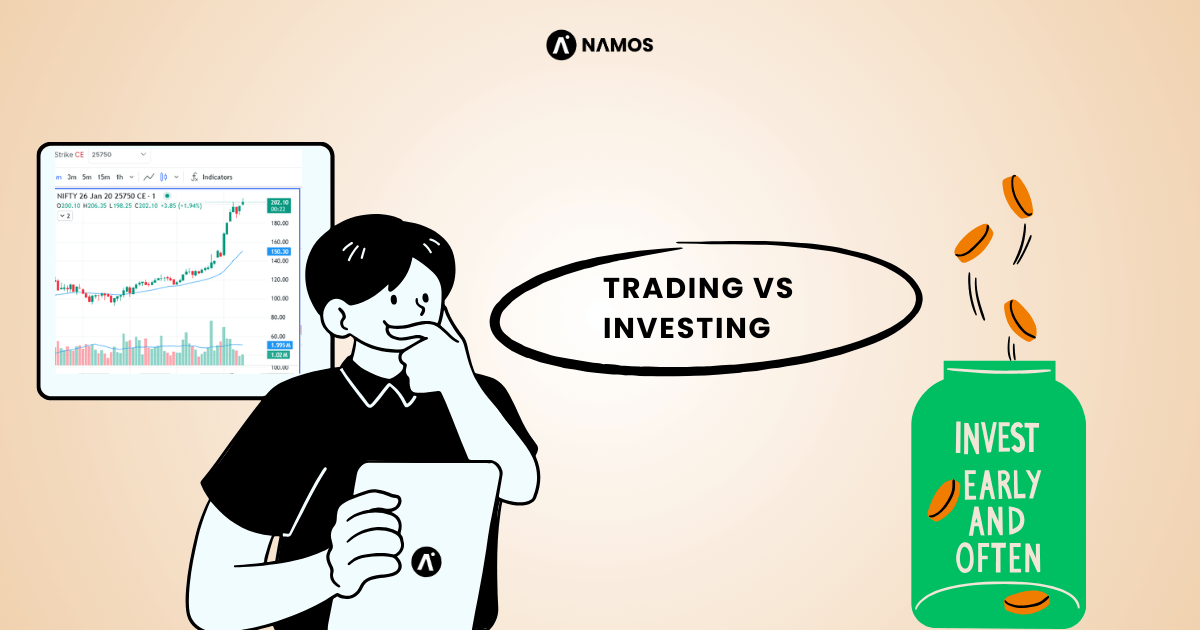
Curious about whether trading or investing yields higher profits? Dive into the comparisons that reveal which strategy aligns best with your financial goals.
Understanding Trading and Investing
Trading and investing are two distinct approaches to making money in the financial markets, each with its own strategies, risks and rewards. Trading involves buying and selling financial instruments like stocks, commodities, or currencies with the goal of making short-term profits. Traders often leverage market fluctuations and trends to capitalize on price movements within periods as short as seconds or as long as several months.
The tools and techniques used by traders can range from technical analysis to sophisticated algorithms, and the activity often demands a high level of market awareness and quick decision-making. On the other hand, investing is a long-term strategy focused on building wealth over time. Investors typically buy assets such as stocks, bonds, or real estate with the expectation that their value will increase over years or even decades.
The primary goal of investing is to accumulate wealth gradually through the appreciation of asset value and the generation of income, such as dividends or interest. Fundamental analysis, which involves evaluating a company’s financial health, industry position, and growth prospects, is a common method used by investors to make informed decisions.
While both trading and investing aim to generate profits, they differ significantly in their approaches. Traders are often more concerned with market timing and price action, whereas investors prioritize company fundamentals and long-term growth potential. Understanding these differences is crucial for anyone looking to navigate the financial markets effectively. By examining the unique characteristics of trading and investing, individuals can better align their strategies with their financial goals and risk tolerance.
What are the Differences Between Trading and Investing
The primary difference between trading and investing lies in the duration for which assets are held. Traders typically hold assets for a short period, ranging from seconds to a few months, aiming to take advantage of market volatility to generate quick profits. They rely on technical analysis, charts, and indicators to identify short-term price movements and make rapid buy or sell decisions.
This approach requires constant monitoring of market conditions and a high degree of agility to respond to sudden changes. In contrast, investors adopt a long-term perspective, often holding assets for years or even decades. They focus on the underlying value of the investment, considering factors such as company performance, economic conditions, and industry trends. Investors are less concerned with short-term market fluctuations and more interested in the potential for sustained growth and income generation over time. This approach allows for a more passive investment style, with less frequent trading and a focus on building a diversified portfolio to mitigate risk.
Another key difference is the level of risk and reward associated with each strategy. Trading can offer high returns due to the frequent buying and selling of assets, but it also comes with higher risks. Market volatility, sudden price swings, and the potential for significant losses require traders to have a high tolerance for risk and the ability to manage their emotions effectively. Investors, on the other hand, typically experience lower volatility and more stable returns over the long term. While the potential for quick gains is lower, the focus on fundamental analysis and diversification can lead to more consistent and predictable growth.
Profit Potential Trading vs Investing in Stock Market
When it comes to profit potential, trading and investing offer different opportunities and challenges. Traders have the potential to generate substantial profits in a short period by capitalizing on market volatility and price movements. The use of leverage, or borrowed funds, can amplify gains, allowing traders to control larger positions with a smaller amount of capital.
However, this also increases the risk of significant losses, making it essential for traders to have a solid risk management strategy in place. Investors, on the other hand, focus on long-term wealth accumulation through the appreciation of asset value and the generation of income. While the potential for immediate, large gains is lower than in trading, the power of compounding can lead to substantial growth over time. By reinvesting dividends and taking advantage of the long-term upward trend of the markets, investors can build significant wealth with a more conservative approach. This strategy is often more suitable for individuals with a lower risk tolerance and a longer investment horizon.
It’s important to note that the profit potential of both trading and investing is influenced by various factors, including market conditions, economic cycles, and individual skill levels. Successful traders and investors must continuously educate themselves, stay informed about market developments, and adapt their strategies accordingly. While trading can offer higher short-term profits, it requires a greater time commitment and a higher tolerance for risk. Investing, on the other hand, offers the potential for steady, long-term growth with a more passive approach.
Risk Factors in Trading and Investing
Risk is an inherent part of both trading and investing, but the nature and degree of risk vary between the two strategies. In trading, the primary risks include market volatility, leverage, and the potential for emotional decision-making. Market volatility can lead to rapid and unpredictable price movements, resulting in significant gains or losses in a short period. Leverage, while amplifying potential profits, also magnifies losses, increasing the risk of substantial financial setbacks. Additionally, the fast-paced nature of trading can lead to impulsive decisions driven by emotions such as fear and greed, further increasing the risk of losses.
Investing, while generally considered less risky than trading, is not without its own set of risks. Market risk, or the potential for asset prices to decline due to economic conditions or market sentiment, is a significant concern for investors. Company-specific risk, such as poor management decisions, competitive pressures, or regulatory changes, can also impact the performance of individual investments. Investors must also contend with inflation risk, which can erode the purchasing power of their returns over time. Diversification, or spreading investments across different asset classes and industries, is a common strategy used by investors to mitigate these risks.
Risk Tolerance in Trading and Investing
Both traders and investors must develop a strong risk management strategy to protect their capital and achieve their financial goals. For traders, this may involve setting stop-loss orders, maintaining a disciplined approach to position sizing, and avoiding overtrading. Investors can manage risk by building a diversified portfolio, conducting thorough research and due diligence, and maintaining a long-term perspective. Understanding and managing risk is essential for success in both trading and investing, as it allows individuals to navigate the uncertainties of the financial markets with confidence.
Time Commitment: Trading vs Investing
The time commitment required for trading and investing is another key difference between the two strategies. Trading demands a significant amount of time and attention due to the need for constant monitoring of market conditions and price movements. Day traders, in particular, may spend the entire trading day glued to their screens, analyzing charts, executing trades, and adjusting their positions based on real-time market data. Even swing traders, who hold positions for several days or weeks, must stay actively engaged to respond to market developments and adjust their strategies accordingly.
Investing, on the other hand, typically requires less time and effort on a day-to-day basis. Investors focus on long-term growth and are less concerned with short-term market fluctuations. This allows for a more passive investment approach, with periodic reviews of the portfolio to ensure it remains aligned with financial goals and risk tolerance. While initial research and due diligence are essential for selecting quality investments, ongoing maintenance is generally less time-consuming than active trading. This makes investing a more suitable option for individuals with busy schedules or those who prefer a hands-off approach.
The level of time commitment in both trading and investing can impact an individual’s overall quality of life and stress levels. The high-pressure environment of trading can lead to burnout and emotional fatigue, making it essential for traders to maintain a healthy work-life balance and develop stress management techniques. Investing, with its longer-term focus and less frequent trading activity, can offer a more relaxed approach to wealth building. However, it still requires a commitment to staying informed about market trends and regularly reviewing the portfolio to ensure it remains on track.
Market Analysis Techniques for Traders and Investors
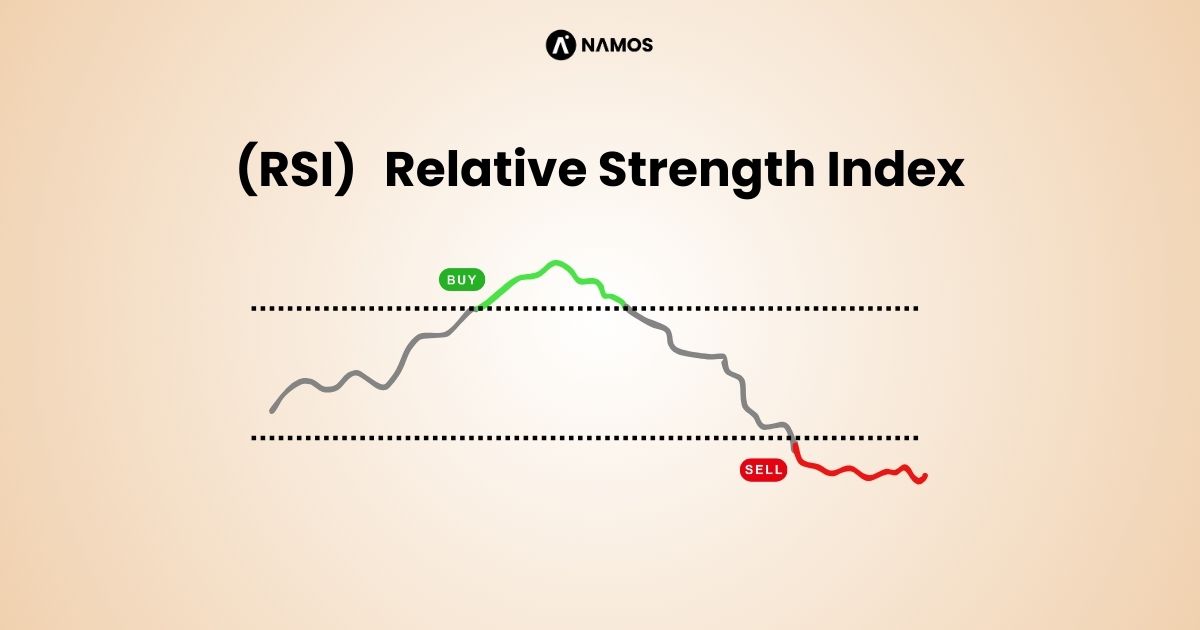
Market analysis is a crucial component of both trading and investing, but the techniques and tools used by traders and investors can differ significantly. Traders primarily rely on technical analysis, which involves the study of historical price data, charts, and various indicators to predict future price movements. Technical analysis tools such as moving averages, relative strength index (RSI), and Fibonacci retracements help traders identify trends, support and resistance levels, and potential entry and exit points. This approach is based on the belief that historical price patterns tend to repeat themselves, allowing traders to make informed decisions based on past market behavior. Investors, on the other hand, often use fundamental analysis to evaluate the intrinsic value of an asset.
This involves examining a company’s financial statements, including its income statement, balance sheet, and cash flow statement, to assess its financial health and growth prospects. Key metrics such as earnings per share (EPS), price-to-earnings (P/E) ratio, and return on equity (ROE) provide insights into a company’s profitability, valuation, and overall performance. Investors also consider broader economic factors, industry trends, and competitive dynamics to make informed decisions about which assets to include in their portfolios.
While traders and investors may use different analysis techniques, some individuals combine both approaches to enhance their decision-making process. For example, a trader might use fundamental analysis to identify high-quality stocks and then apply technical analysis to determine the best entry and exit points. Similarly, an investor may use technical analysis to time their purchases and sales more effectively, even if their primary focus is on long-term fundamentals. By understanding and applying the appropriate market analysis techniques, traders and investors can improve their chances of success and achieve their financial goals.
Psychological Aspects of Trading and Investing
The psychological aspects of trading and investing are critical factors that can influence an individual’s success in the financial markets. Trading, in particular, requires a high level of mental discipline and emotional control due to the fast-paced nature of the activity and the potential for significant gains and losses. Traders must be able to manage emotions such as fear, greed, and frustration, which can lead to impulsive decisions and costly mistakes. Developing a strong trading plan, sticking to predefined rules, and practicing mindfulness techniques can help traders maintain emotional balance and make rational decisions.
Investing, while generally less emotionally intense than trading, also presents psychological challenges. Long-term investors must contend with market volatility, economic downturns, and periods of underperformance, which can test their patience and conviction. The ability to stay focused on long-term goals and avoid the temptation to react to short-term market movements is essential for maintaining a successful investment strategy. Developing a well-thought-out investment plan, regularly reviewing and adjusting the portfolio, and maintaining a long-term perspective can help investors navigate the psychological challenges of the market.
Both traders and investors can benefit from developing a strong mindset and understanding the psychological aspects of their strategies. This may involve continuous education, seeking support from mentors or peers, and engaging in practices that promote mental well-being. By recognizing and addressing the psychological factors that influence their decision-making, traders and investors can improve their overall performance and achieve their financial goals with greater confidence.
Choosing the Right Approach for Your Financial Goals
Choosing between trading and investing depends on a variety of factors, including individual financial goals, risk tolerance, time commitment, and personal preferences. For those seeking quick profits and willing to take on higher risks, trading may be an attractive option. The potential for substantial short-term gains and the excitement of active market participation can be appealing to individuals who enjoy a fast-paced and dynamic environment.
However, it’s important to consider the demands of trading, including the need for constant monitoring, rapid decision-making, and the ability to manage emotional stress. Investing, on the other hand, may be more suitable for individuals with a long-term perspective and a preference for a more passive approach to wealth building. The focus on fundamental analysis, diversification, and the power of compounding can lead to steady and sustainable growth over time. Investing is generally less time-consuming than trading, making it a better fit for those with busy schedules or a desire for a more hands-off approach. Additionally, the lower risk and favorable tax treatment of long-term capital gains can enhance the overall returns of an investment strategy.
Conclusion: Which is More Profitable?
Determining which strategy is more profitable, trading or investing, depends on various factors, including individual skill levels, market conditions, and personal preferences. While trading offers the potential for substantial short-term gains, it also comes with higher risks and requires a significant time commitment and emotional resilience. Successful traders must continuously educate themselves, stay informed about market developments, and maintain a disciplined approach to risk management.
Investing, on the other hand, focuses on long-term wealth accumulation through the appreciation of asset value and the generation of income. This approach generally involves lower risk and a more passive investment style, making it suitable for individuals with a longer investment horizon and a preference for steady, sustainable growth. The favorable tax treatment of long-term capital gains and the power of compounding can enhance the overall returns of an investment strategy.
Ultimately, the choice between trading and investing should be based on an individual’s financial goals, risk tolerance, and personal circumstances. Some individuals may find that a combination of both strategies offers the best balance of risk and reward, allowing them to capitalize on short-term opportunities while building long-term wealth. By carefully considering their unique needs and preferences, individuals can select the approach that best aligns with their financial objectives and helps them achieve their goals.
Who is more successful, trader or investor?
From both a practical perspective and my personal experience, long-term investors tend to be more consistently profitable than active traders. The primary reason is that investors benefit not only from capital appreciation but also from the power of compounding over time. In addition, they often receive regular income in the form of dividends, which further enhances overall returns.
Does trading make more money than investing?
From my perspective, trading can generate higher returns than investing if it is done with the right strategy, discipline, and risk management. Skilled traders who consistently follow a proven system may earn more money in a shorter period of time compared to long-term investors.