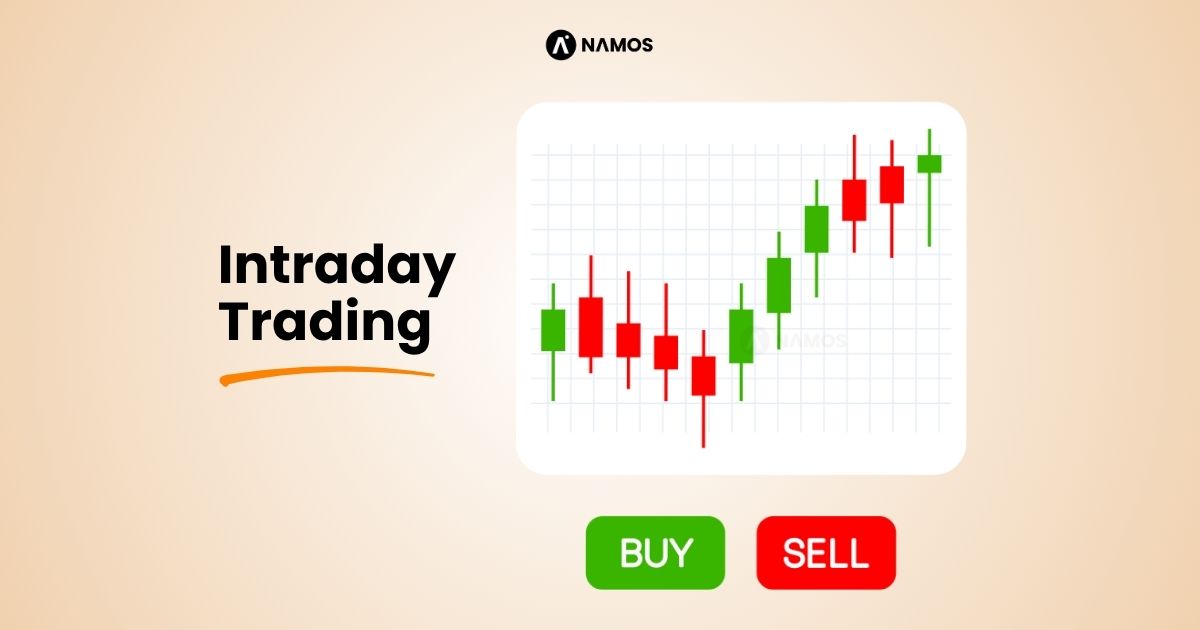
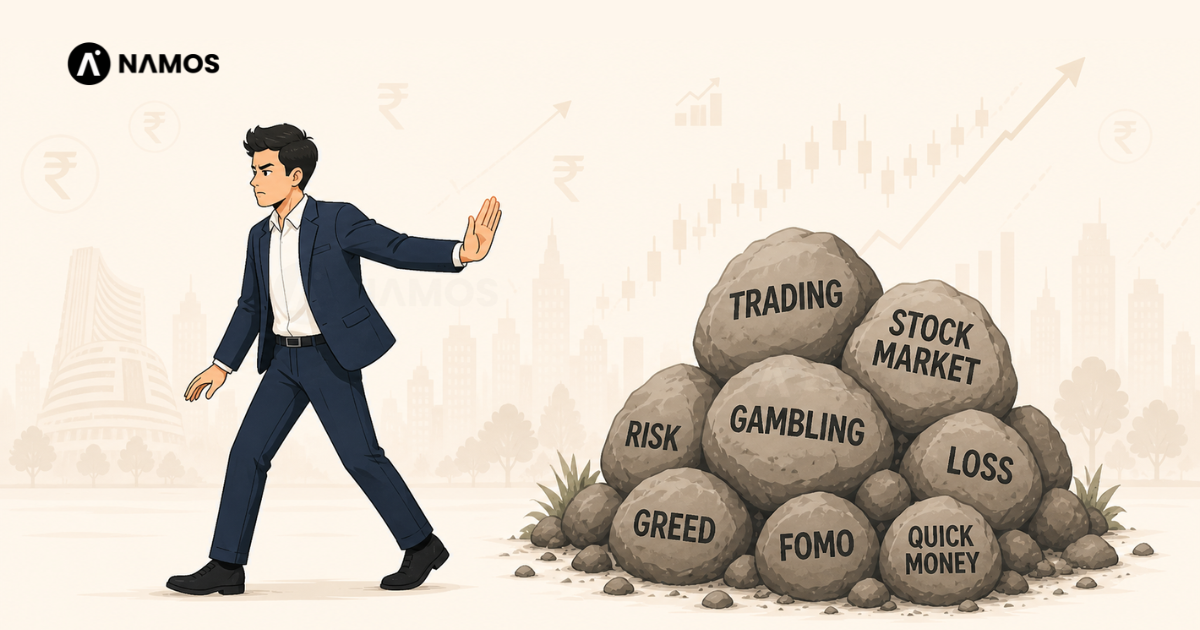
Most people think trading is only about money, but the real trading game starts in the mind. Many people are not ready to enter trading because they do not fully understand how the market actually works. Some are afraid of losses, some think trading is gambling, while others believe huge amounts of money are required to become successful.
Because of these misunderstandings, many people hesitate to even begin their trading journey. In this article, we will discuss the real reasons why people are afraid to trade and what stops them from entering the stock market confidently.
Money
Most beginners enter trading with only one goal — making quick money. From the very first day, they expect profits, rapid success, and financial freedom within a short period. They believe trading is simply about buying and selling to earn money quickly. Because of this thinking, they become impatient, take random trades, increase lot sizes emotionally, and keep chasing profits every single day.
This is called a money
Mind
A real trader develops a mind before expecting money.
A mindset-based trader focuses on preparation, discipline, psychology, and risk management first. They spend time learning market structure, price action, emotional control, and trading behavior before thinking about profits.
Why People Are Afraid to Trade
Many people want to start trading, but fear, lack of knowledge, social pressure, and money-related thoughts stop them from entering the market confidently. Let’s understand the main reasons why people are afraid to trade.
Society Thinks Trading Is Gambling
One of the biggest reasons people avoid trading is that society often compares the stock market to gambling.
Many families and friends believe:
- Trading is based on luck
- Most traders lose money
- The stock market is unsafe
- Trading destroys savings
Because of this negative social image, many people become mentally afraid before even learning how the market actually works.
People Are Not Mentally Ready to Take Risk
Trading always involves risk, and many people are not mentally prepared for that reality.
Most beginners want a guaranteed income and financial safety. But in trading:
- Profit is never guaranteed
- Losses are part of the journey
- Emotional control is necessary
People who cannot accept small risks or temporary losses often become afraid of entering the market at all.
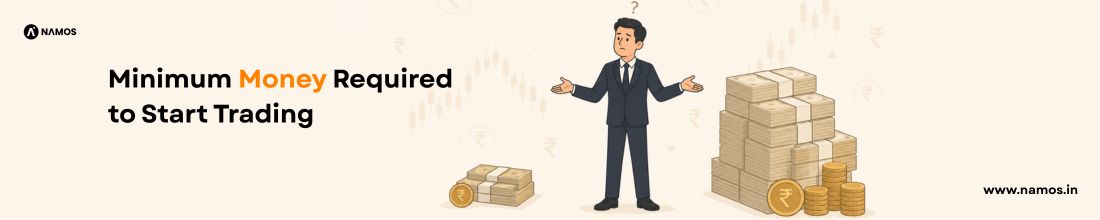
Many People Think Trading Requires Huge Money
Another common fear is that trading needs lakhs of rupees to start.
Because of this belief, many people think:
- I don’t have enough capital.
- Trading is only for rich people.
- Without big money, success is impossible.
In reality, trading can be started with small capital for learning purposes, but a lack of awareness creates fear and hesitation.
Busy 9-to-5 Job Lifestyle
Some people are interested in trading but never start because they are busy with jobs or daily responsibilities.
A 9-to-5 working lifestyle leaves:
- Very little time for learning
- Mental exhaustion
- Lack of focus
- No time to study charts or strategies
As a result, many people keep delaying their trading journey even if they are interested in the market.
Financial Instability Stops People from Trading
Many people avoid trading because they are not financially stable.
They already have:
- Family responsibilities
- Monthly expenses
- Financial pressure
- Limited savings
Because of this, they fear losing money in the market. Instead of seeing trading as a long-term skill, they see it as an additional financial risk.
Fear After Hearing Failure Stories
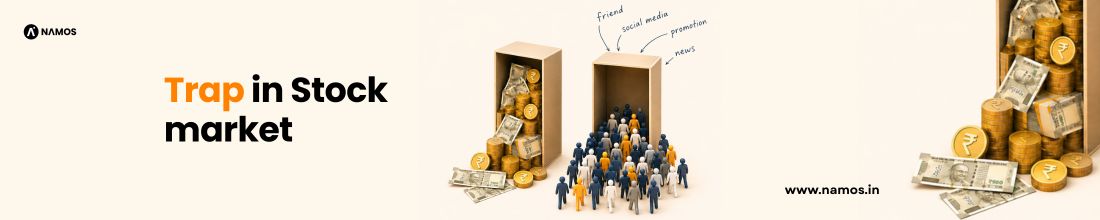
Many people become afraid of trading after hearing stories of traders losing money.
Sometimes they see:
- Someone is blowing their account
- Emotional losses
- Loan-related trading failures
- Social media negativity
These stories create fear in the minds of beginners, and they start believing that trading is too risky for them.
The Real Truth Behind the Fear
Most people are not actually afraid of trading itself—they are afraid of:
- Losing money
- Failing publicly
- Taking risks
- Financial uncertainty
- Emotional pressure
Without proper education, trading looks confusing and risky. But with learning, discipline, and realistic expectations, the market becomes easier to understand over time.
Conclusion
People avoid trading for many different reasons—fear of losses, lack of money, social opinions, financial pressure, busy lifestyles, and emotional uncertainty. Most beginners enter the market with a money mindset instead of a learning mindset, which increases fear even more.
The truth is, trading is neither gambling nor a shortcut to becoming rich quickly. It is a skill-based profession that requires patience, discipline, education, and emotional control. Once people start understanding the market correctly, many of their fears slowly begin to disappear.